
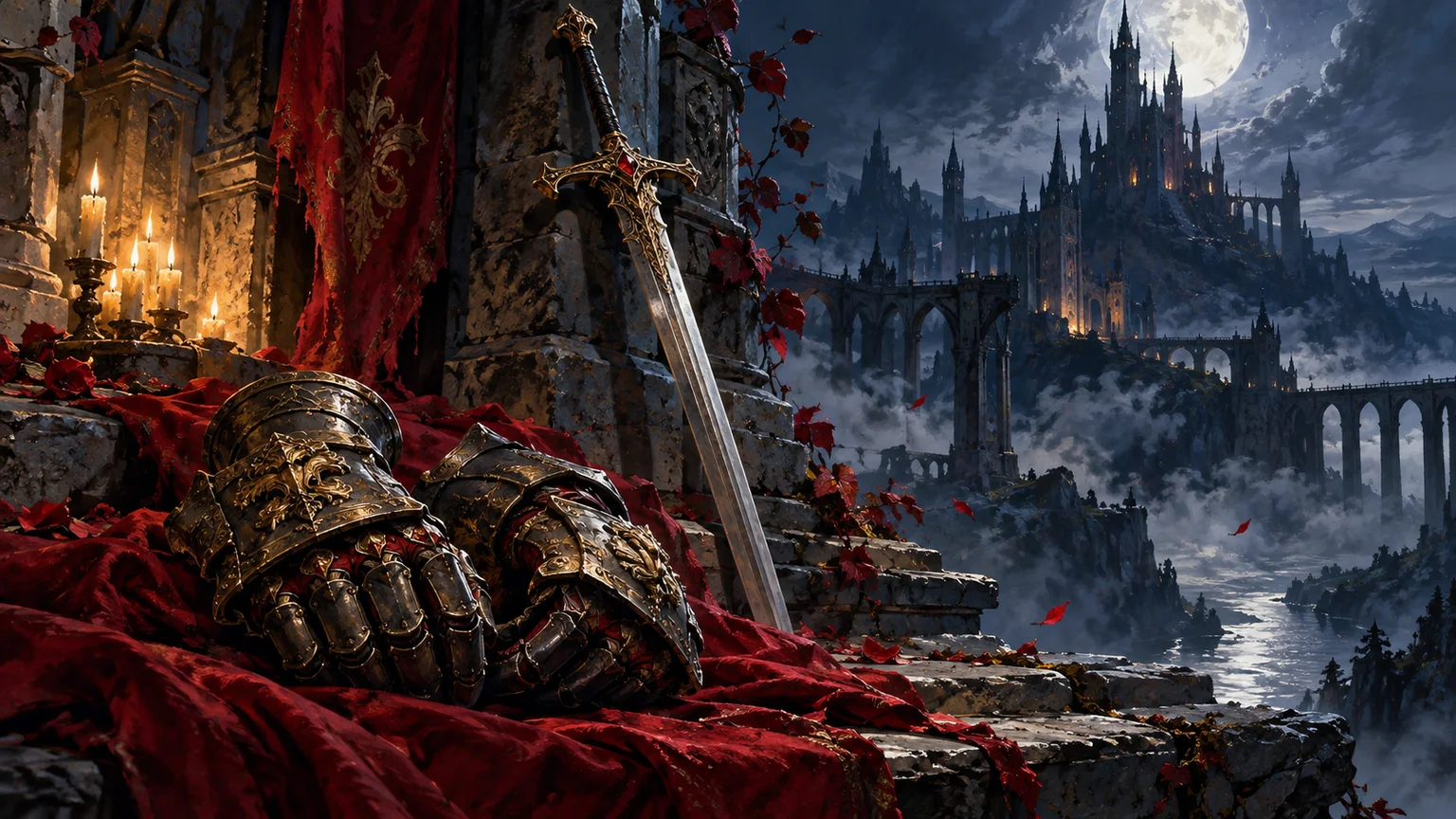
Compare playstyles before rankings
PlayStation Blog’s hands-on report distinguishes balanced reach from faster close combos. The developer interview emphasizes different weapon-family playstyles. Those observations support comparison, but neither supplies a controlled final ranking of every weapon.
A weapon that feels comfortable in one approach can differ from a weapon suited to another. That is why this guide discusses the documented contrast rather than assigning an S-tier label. The retained material does not establish identical test conditions for damage or boss matchups.
Why the sword is a sensible starting point
KONAMI’s announcement presents the sword as accessible. The research describes it as a balanced starting point, making it a useful option for learning a combat style. Accessibility does not mean that the sword has the highest damage in every situation.
If you want a straightforward comparison point, begin by understanding the sword’s role. Then judge another weapon according to how its behavior fits your preferred approach. This is an editorial way to apply the documented comparison, not a claim of an optimal build.
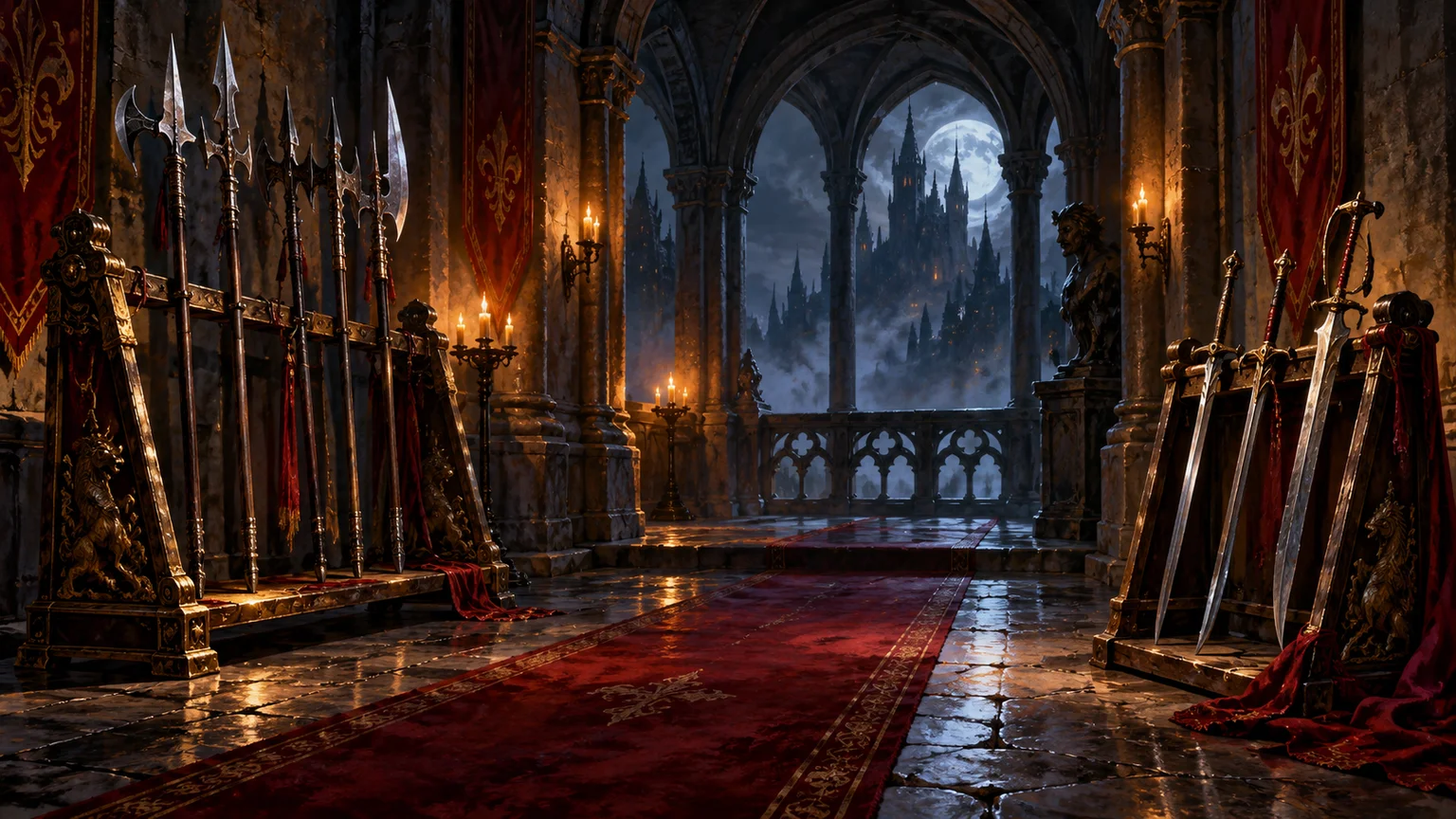
What Cestus offers in the comparison
The retained hands-on comparison associates Cestus with faster close-range combos. That describes a different style of pressure from the balanced sword example. The file does not provide exact reach, recovery, or damage figures for the comparison.
Choose between the examples according to the style you want to understand, rather than a numerical score absent from the source. A close-range emphasis can matter to how you approach an encounter, but this guide does not promise a particular matchup result. No universal winner follows from the contrast alone.
Equipment customization does not establish a best build
KONAMI’s overview describes equipment combinations as supporting player customization. That reinforces the idea that weapon choice is part of a broader approach. It does not identify a single combination as the best option.
The research gives enough information to explain why different styles can exist. It does not provide a tested catalog of combinations or a final damage model. This page therefore avoids recommending a supposedly mandatory setup assembled from incomplete preview material.
What a fair strength comparison would require
The source file calls for comparing weapons under identical conditions after release. The retained previews do not establish that kind of testing for every weapon. That is why damage-per-second values and definitive boss rankings are excluded.
For the current question, the useful answer remains the supported role comparison. The sword is presented as accessible and balanced, while Cestus emphasizes close combos. These are reasons to try different styles, not evidence that one choice wins every encounter.
Use the comparison for your next choice
If you prefer a balanced starting reference, the sword is supported by the material. If you want to understand the close-combo approach described in the preview, Cestus is the relevant documented contrast. Neither statement requires inventing a final tier list.
Keep weapon-category information, acquisition routes, and strength comparisons separate. A confirmed weapon name does not verify where it is found, and a known location does not establish its ranking. The related weapon pages address those different questions using their own retained evidence.
Sources and research date
This article uses the material retained in the October 13, 2026 research. Official descriptions, developer statements, and hands-on observations are identified in the section references. Details are scoped to those sources and are not a claim of independently completed retail testing.
- PlayStation Blog hands-on report ↗
- Wccftech developer interview ↗
- KONAMI announcement on PlayStation Blog ↗
- KONAMI official game website ↗
 CombatWeapons
 CombatArcana Abilities
 CombatBosses
 CombatDifficulty